Commercial Waste Removal in Woolwich
![A large red skip bin, with a white label displaying contact information, is positioned on a paved sidewalk in front of a row of brick terraced houses with dark green doors in Woolwich. The bin is filled with various discarded items including flattened cardboard boxes, plastic bags, and other general waste materials, some of which are spilling over the top. To the left of the bin, there are two bicycles parked against the building's wall, one with a black frame and the other with a grey frame, both secured with locks. The background features the building’s brick facade with evenly spaced windows that have white frames and yellow security bars, reflecting a typical residential street scene. The environment appears to be in daylight, with natural light illuminating the scene, emphasizing the textures of the brickwork, metal bin, and waste materials. This image relates to commercial waste removal services provided by [COMPANY_NAME], serving Woolwich and the surrounding areas with rubbish collection and clearance solutions.](/pub/_photos/rubbish/f1204273152.jpg)
Commercial waste removal in Woolwich needs to be practical, tidy and suited to the kind of waste a business actually produces. We remove everyday office rubbish, mixed commercial refuse, bulky items and recyclable materials from premises that need a straightforward service rather than an overcomplicated arrangement. The aim is simple: keep your working space usable, reduce clutter and move waste away in a way that fits the pace of your operations.
Our commercial waste removal service can support shops, offices, workshops, hospitality premises and managed properties with scheduled or one-off clearances. Where waste is mixed, we separate what can be diverted from general disposal and handle it with care. For larger jobs, it helps to plan the load type, access and timing in advance so the collection is efficient and disruption stays low.
If you need a quotation, take a moment to note the main waste types and the volume involved. You can also ask about related pages such as business waste removal or read about pricing and quotes before making your decision. When you are ready, request a quote in plain terms and we will help you move forward.
Business waste collections for working premises
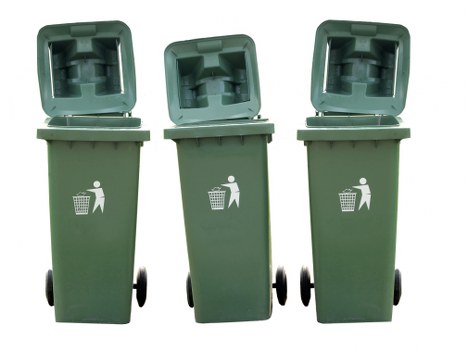
Business waste collection is most useful when it is arranged around the way a site is used, not around a generic list of bin sizes. We can clear bags, boxes, loose rubbish, packaging and other non-hazardous commercial waste from premises that build up refuse through day-to-day trading. This is suitable for businesses that need a clean reset after a busy period, a refit or a routine accumulation of waste that is too awkward for normal handling on site.
Many customers want a service that takes the mess away without interrupting staff movement, customer access or stock handling. That is why access details matter. Narrow corridors, shared entrances, stairways and loading points can all affect how a collection is organised. If the waste is already grouped by type, the clearance is usually easier to manage. Clear separation on site can also support recycling decisions before anything leaves the property.
What this kind of clearance can include
Commercial waste removal often covers a practical mix of items rather than one single waste stream. Typical work may include office bags, packaging, small fixtures, shelving offcuts, broken displays, cardboard, general rubbish and redundant items left after a move or upgrade. Where a business has a strong recycling element, the service can be shaped around those materials, but only where the load and handling are suitable for the collection arrangement.
Office, retail and shared-space clearances
Office waste removal is often about clearing large quantities of manageable material in a short time, while keeping the workspace presentable for staff and visitors. Paper, packaging, worn office items and redundant equipment all take up room quickly. Retail premises face a similar issue, especially after refurbishments, stock changes or seasonal trading periods. The important point is that the waste should be removed in a way that supports the daily use of the building rather than creating further clutter on corridors, lobbies or storage areas.
For shared buildings and managed properties, a sensible approach is to identify what belongs to the tenancy, what belongs to the landlord and what should not be moved without permission. That helps avoid confusion and keeps the collection targeted. It is also useful where several units share access routes, because the clearance can then be planned around the minimum practical disturbance. If you want to compare options, our office clearance page and waste removal page give a clearer view of those service areas.
Where a premises holds confidential papers or records, disposal must be handled differently from ordinary rubbish. We offer confidential shredding for material that needs secure treatment before it leaves the site. That is not the same as a general waste load, so it is best to separate it before you ask for collection. For many business customers, having the right disposal route for each category keeps the overall process much simpler.
Bulky items, fixtures and mixed commercial contents

Not all commercial waste is loose bagged rubbish. Businesses sometimes need clearance for bulky items such as desks, chairs, counters, cabinets, storage units or redundant display materials. These items can be awkward to shift through a working property, especially where doors are narrow or items have to be carried down stairs. A clear description of the load helps the right equipment and handling approach to be used, which is important when the collection includes heavier or more cumbersome objects.
There are also occasions where the waste is mixed with fixtures from a fit-out or decommissioning job. In those cases, the practical question is not simply how much there is, but what the items are made of and whether any parts need special treatment. Wood, metal, plastics and general refuse may all be present in one clearance. If you are disposing of office furniture or seating, related pages such as furniture disposal and mattress and sofa disposal may help you identify the right category before you request a quotation.
A useful way to prepare is to make a short item list rather than relying on a rough guess. Note the main pieces, any difficult access points and whether anything is stored in a basement, loft, upper floor or rear yard. That information helps the collection be more accurate, and it also makes it easier to distinguish between ordinary commercial waste and materials that should be handled separately. If you are unsure, ask for guidance rather than forcing everything into one category.
Special waste streams and careful handling

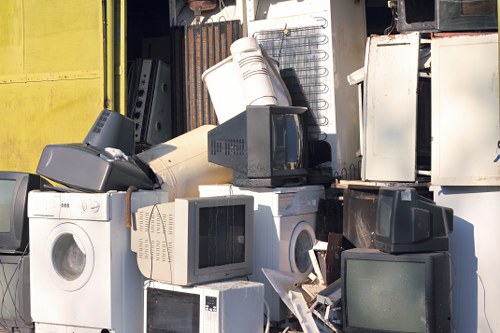
Some commercial clearances involve waste streams that need more attention than a general rubbish collection. Appliances, refrigeration items, mattresses, furniture and certain building-related materials all have their own handling considerations. Where those items are present, the question is not only whether they can be removed, but how they should be separated and documented before collection. That makes the clearance more organised and reduces the chance of unsuitable items being mixed together.
For example, an appliance load may include units that need dedicated processing, while a job with building residues may require a clearer understanding of which materials are present. Businesses carrying out refurbishments often want to know how that affects planning. You may find it helpful to review fridge and appliance removal, hazardous waste disposal and builders waste clearance where those categories are relevant. The right route depends on the exact contents rather than the headline job title.
Useful information to include when asking for a quotation is limited but important: the kind of waste, approximate quantity, access conditions and whether any items need separating before collection. If the job is straightforward, this can be brief. If it is more involved, a little extra detail helps the service fit the site more closely. A clear description usually leads to a smoother collection and a more relevant response.
Pricing, planning and the practical side of a quotation
Commercial waste removal is usually priced by the nature and amount of material, the time needed to load it, access constraints and any special handling requirements. That means a simple bag collection and a mixed bulky clearance are not the same task. A clear quote request should explain what is being removed and whether the collection is from a front entrance, rear access point, loading area or another part of the site. That is often enough for a useful starting figure.
There is no need to overcomplicate the enquiry. A short note about the waste type and a few photographs, if available, can help establish whether the job is best treated as a routine business clearance or a more involved mixed load. If the waste is part of a larger property project, it may also help to mention the timing of other trades so the collection can be fitted around them. You can also compare the route to book online if a digital enquiry suits your way of working.
When the quote is being prepared, try to keep the information focused on the actual load rather than general background. That usually produces a clearer answer and avoids unnecessary back-and-forth. If you need to talk through the options first, a concise enquiry is often enough. For many customers, the key is simply to get the waste moved in a controlled, sensible way and then return to normal use of the premises as quickly as possible.
Preparing the site without disrupting work
One practical advantage of organised commercial waste removal is that it can be planned around ongoing business activity. If items are gathered in one area, staff do not have to keep moving them repeatedly, and the collection can often be completed with less disturbance. It helps to ensure access routes are clear, fragile items are separated and any shared areas are managed in advance. Those small steps can make a noticeable difference to how smoothly the removal goes.
Where a clearance takes place in a busy environment, it is wise to agree which rooms, cages, stores or outdoor spaces are included. That avoids uncertainty on the day and keeps the work focused on the correct load. For some businesses, especially those with multi-tenant access, it is also sensible to identify who can authorise the removal of any storage items or equipment. Good preparation is not about adding paperwork; it is about keeping the collection practical.
For general questions about environmental handling and the disposal route we use, you may also wish to see recycling and sustainability. If the business wants a broader view of general disposal services, commercial waste removal is the main subject of this page and remains the best place to begin. If you are ready to move ahead, request a quotation and we will take it from there.
About Woolwich
Woolwich is a riverside district in south-east London, on the south bank of the River Thames within the Royal Borough of Greenwich. Its history is closely tied to the river, dockside activity and military administration, and much of its older character still reflects that long association. The area is known for a mixture of historic buildings, later redevelopment and modern housing, giving it a varied built environment rather than a single uniform style. One of the most distinctive landmarks is the Royal Arsenal, a large former military site that has been redeveloped over many years and now forms a major part of the local landscape. Nearby, the Woolwich Works cultural venue has added a contemporary arts presence within the restored historic setting. The district also includes Woolwich Dockyard, a reminder of the river-based industry that shaped the settlement, while the Thames Path and Woolwich Ferry connect the area to the wider London riverside. General Gordon Square provides a central public space, and Woolwich Common offers open ground that contrasts with the denser streets around the town centre. St Mary Magdalene Church, with its long-standing parish history, and the town’s Victorian and Georgian fragments add further depth to the streetscape. The area has also seen significant change through transport investment, particularly with the Elizabeth line at Woolwich station improving connections to central London and beyond. Taken together, these features give Woolwich a layered identity: part historic river town, part metropolitan centre, and part regenerated residential district.
Clearance for premises that need a dependable reset
When a business needs waste moved from its site, the most useful service is one that keeps the process clear and manageable. That may mean clearing a shop store room, an office floor, a back-of-house area or a mixed commercial space after refurbishment or reorganisation. The important thing is not just removing items, but doing so with enough structure that staff can continue working without unnecessary interruption. A sensible commercial waste collection should feel organised from the start.
Different premises create different waste patterns. Hospitality sites may accumulate packaging and broken fittings, offices often deal with paper, furniture and redundant equipment, and workshops can generate a mix of offcuts and general rubbish. Where the contents are more specialised, it is better to identify them early than to assume they all belong in one pile. For related property clearances, you may find flat clearance, home clearance and garage clearance useful if your project extends beyond business waste alone.
For the final step, keep the request simple: what is being removed, from where, and when it needs to happen. That is enough to begin a proper quotation. If you are ready now, ask for a quote and let us help you organise the clearance in a way that suits your premises.